
海廢互動家庭音響 (2025)
聲音裝置:5組改造海廢音響、網頁聲音互動系統
展期:2025.09.05-11.16
地點:大浦客廳
Ocean Waste Interactive Home Audio System (2025)
Sound installations: 5 DIY marine debris speakers, interactive webpage sound system
Exhibition: 2025.09.05-11.16
Location: Dapu Living Room

馬祖海岸每年接收了大量來自對岸的海廢

海廢與生物與自然共存——依附在廢鐵上的海草
Inspiration Behind the Ocean Buoy Speakers
While Matsu’s coasts are rich in marine biodiversity, they’re also littered with garbage carried in by ocean currents. What begins as a journey to discover coastal life often turns into a search for marine debris. Tangled fishing nets, wires, and rusted metal scraps are often mistaken for living creatures. Sometimes, I thought I had found a special stone, but when I broke it open, I realized it was corroded iron. The breathtaking seascape and ever-growing piles of waste often evoke complex emotions when viewing the coast.
Although Matsu holds regular beach cleanups, the pace of human efforts can’t keep up with the waste accumulating. However, I noticed how local residents have found creative ways to reuse ocean waste in daily life—turning washed-up barrels and baskets into storage containers, or using sturdy cables and fishing nets to fasten things in place.
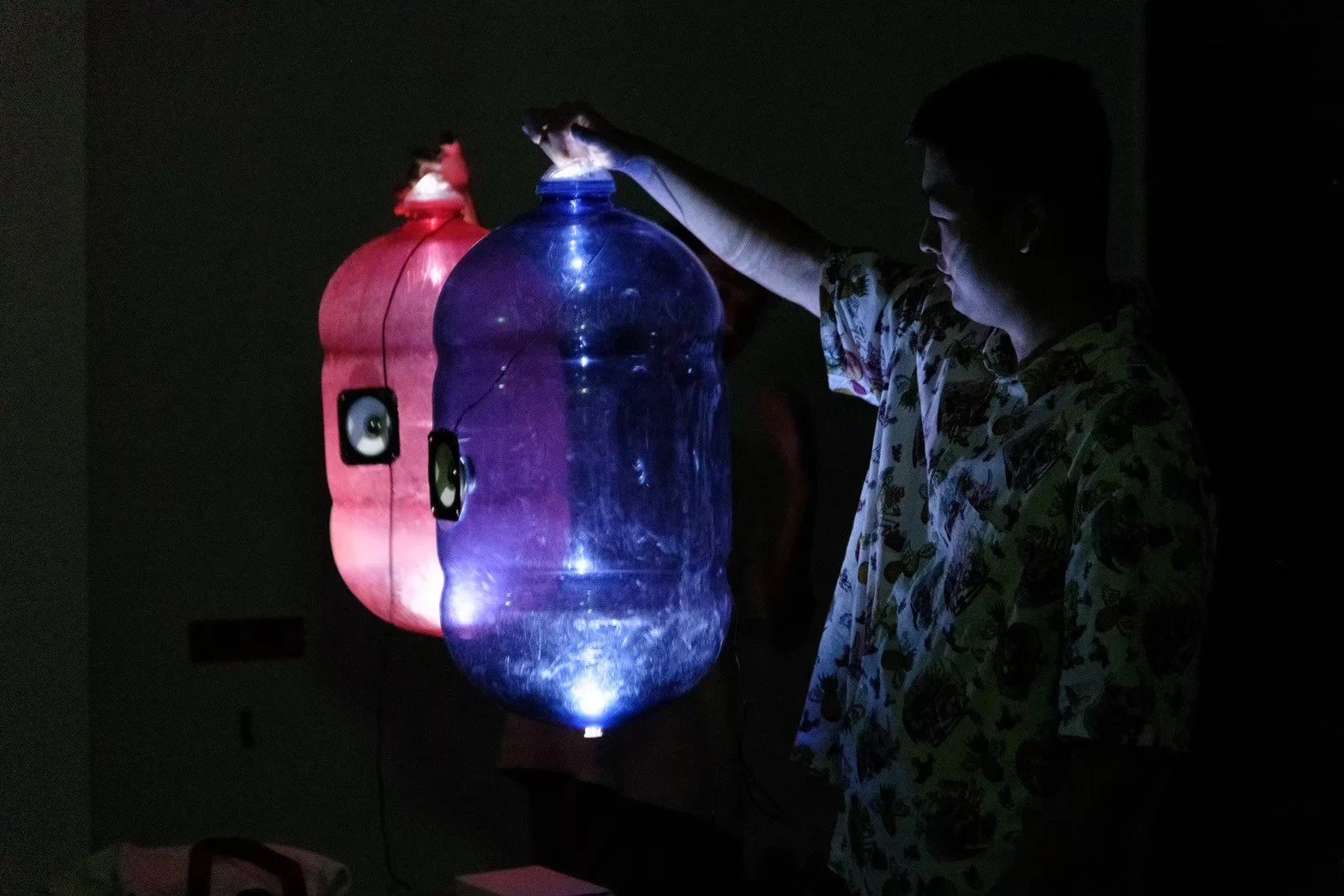
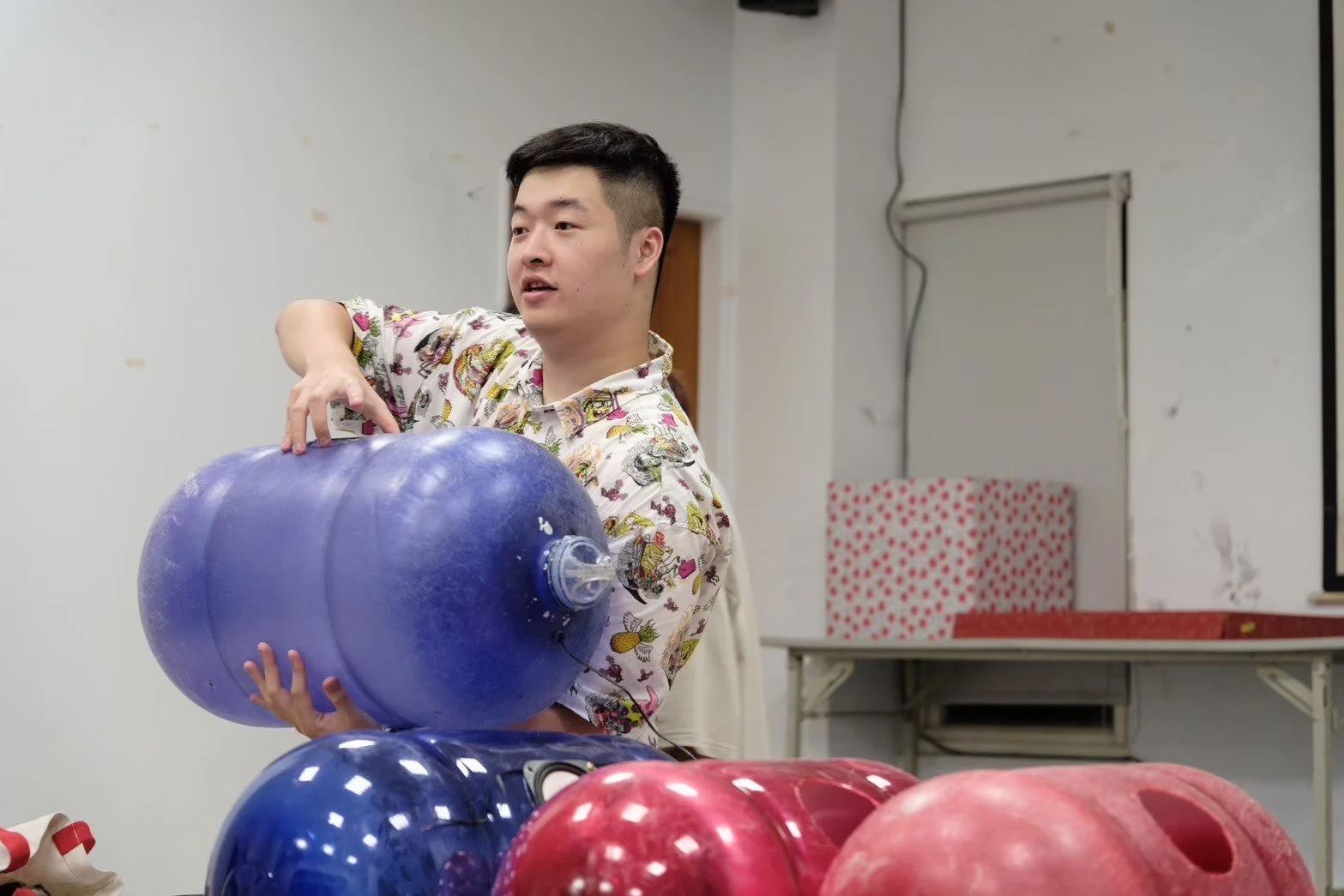
During my guerrilla artist residency in Matsu, I unexpectedly discovered that combining large ocean buoys with raw speakers could produce surprisingly powerful sound—comparable to a home theater speaker system. This inspired me to begin creating sound artworks using marine debris, which eventually led to this exhibition. By the way, all the ocean waste speakers you see here were collected and DIY-assembled together with local residents by a workshop!
How to Participate
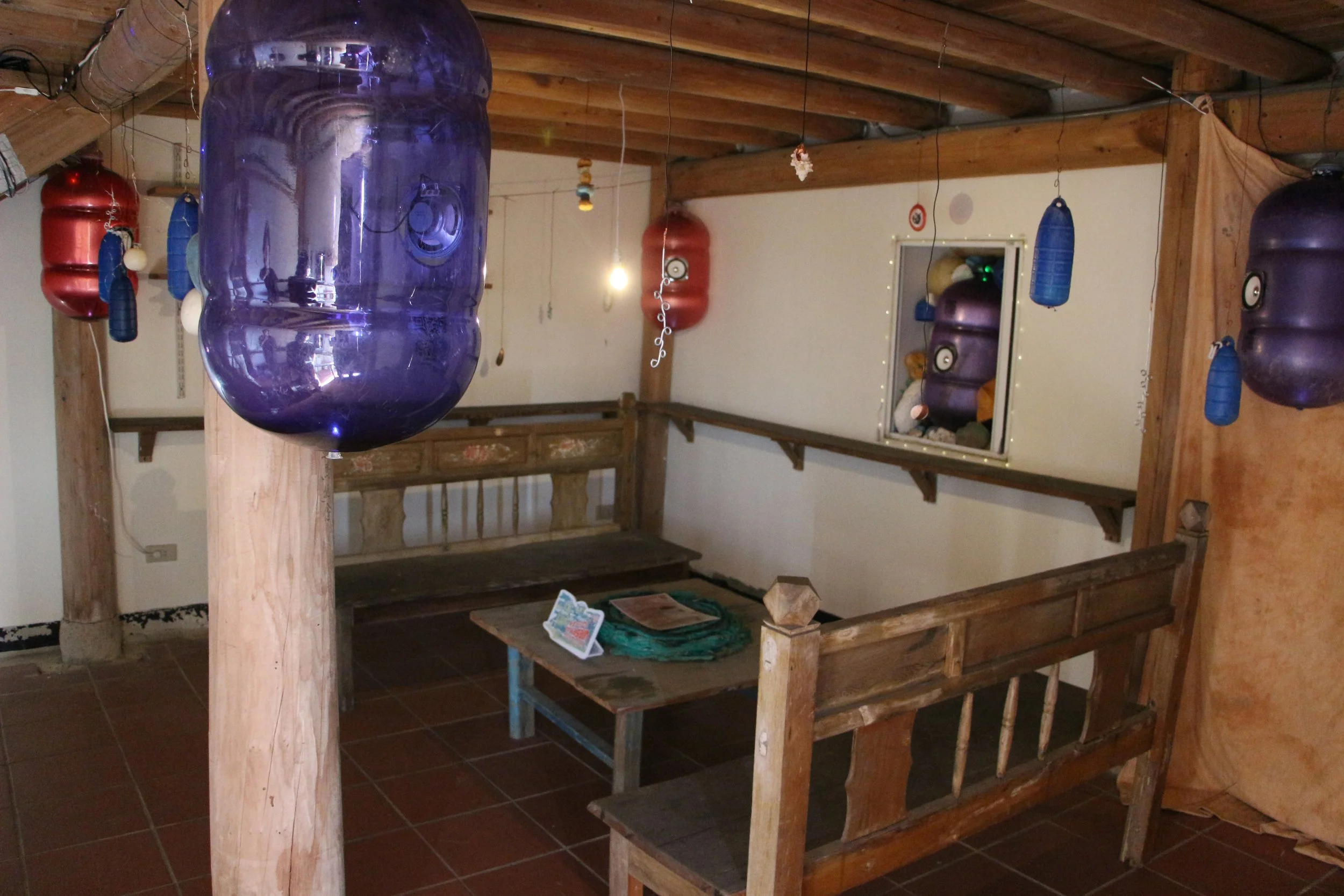
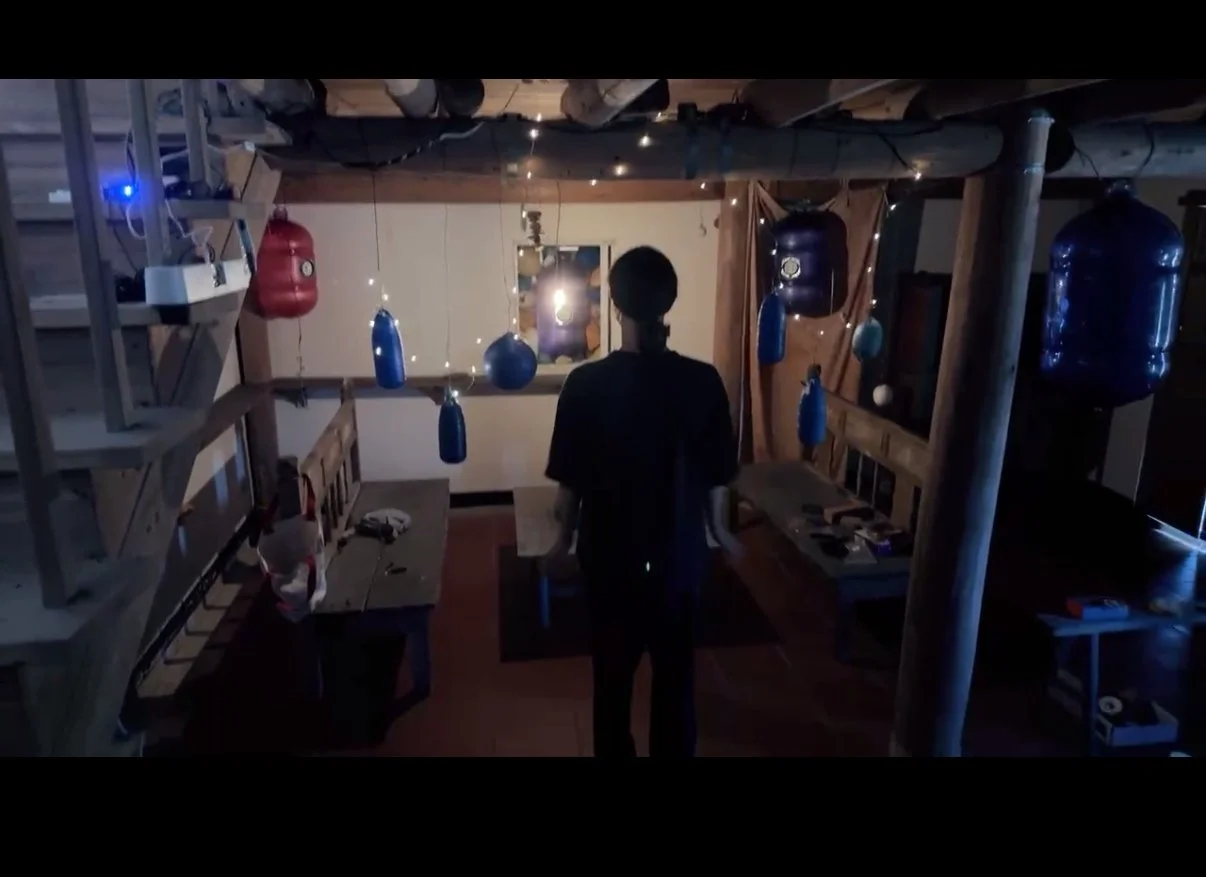
The Dapu Living Room is a living room of an old house in Dapu Village, Dongju Island. I’ve transformed it into a home listening space where you’re invited to step in and control the music playback yourself.
The installation consists of four ocean buoy speakers—two red and two blue—each corresponding to different layers of music. Scan the QR code on each speaker using your phone to open a webpage where you can select and control the music playback.
Best Way to Experience the Work
I recommend three participants join at the same time, scanning three sets of QR codes and playing music in different voices together.
Each QR Code corresponds to two questions. Although the questions are different, the answers are linked. You can solve the puzzles together with other participants while enjoying the music.
Visiting alone?
No worries! Ask the exhibition staff for help—they’ll assist you by using spare phones to control the other speakers.
海飄球音響的靈感來源
馬祖的海岸除了擁有豐富的海洋生物,也充滿了來自對岸漂流而來的各種垃圾。原本是探索海灘生物的旅程,常常變成尋找海廢的經歷。被海藻與海草纏繞的廢棄漁網、鐵絲和金屬碎片,曾多次讓我誤以為是生物;有時甚至以為撿到特殊的石頭,一剖開卻發現是鏽蝕的廢鐵。面對壯麗的海景與不斷堆積的垃圾,令人感慨萬千。
雖然馬祖定期舉辦淨灘活動,但人類清理垃圾的速度遠遠趕不上垃圾產生的速度。不過,在居民的日常生活中,我也觀察到不少有趣的海廢再利用方式:像是把漂流上岸的桶子、籃子當作收納工具,或將堅固的電纜、漁網拿來固定物件。
在我參與馬祖的藝術游擊駐村期間,意外發現大型海漂球加上單體喇叭能產生出乎意料的擴聲效果,音質甚至媲美家庭劇院。這個發現讓我開始用海廢作為聲音創作的材料,也促成了這次的作品。順帶一提,你現在看到的海廢音響,都是居民撿拾並在工作坊一同DIY完成的!
如何參與互動?
大浦客廳是東莒大浦村的一間老屋客廳,我順勢將它轉化為一個家庭音響空間,讓你能進入其中,親手操作、控制音樂的播放。
這件作品由 四顆海漂球音響 組成,分為 兩顆紅色、兩顆藍色,對應不同的音樂內容。你可以透過手機掃描音響上的 QR Code,開啟網頁來選擇音樂、控制播放。
最佳參與方式
建議由 三位觀眾同時參與,各自掃描三組 QR Code,一起播放不同聲部的音樂。每個 QR Code 對應兩個謎題,雖然題目不同,但它們的 答案是相通的。三人可以一邊互動一邊討論,嘗試一起破解。
如果現場只有你一人參觀
也沒問題!你可以請展場人員協助,使用備用手機幫忙控制其他音響。




|Step-by-Step Instructions|
Step 1:
Turn on your phone’s Bluetooth to connect to the speakers.
Red speakers (stereo) Bluetooth name: BTS-730
Blue speaker 1 Bluetooth name: BTS-731
Blue speaker 2 Bluetooth name: LittleFun
Step 2:
Scan the QR code on the red or blue speakers to open the corresponding webpage.
Step 3:
Select the music style, and click on the picture to go to the music playing page.
Please coordinate the three participants to choose the same music style:
If Participant 1 selects “relaxing”, Participants 2 and 3 should also select “relaxing”.
If 1 participant switches to “cheerful”, all participants should make the same switch.
💡 Try to synchronize music playback across devices.
Step 4:
Challenge puzzles.
Each music page contains a puzzle. Although the questions vary from speaker to speaker, the music “relaxing” and “cheerful” each contains a two-digit answer. You need to combine the answers provided by the two songs to form a four-digit code.
Step 5:
Redeem your souvenir prize!
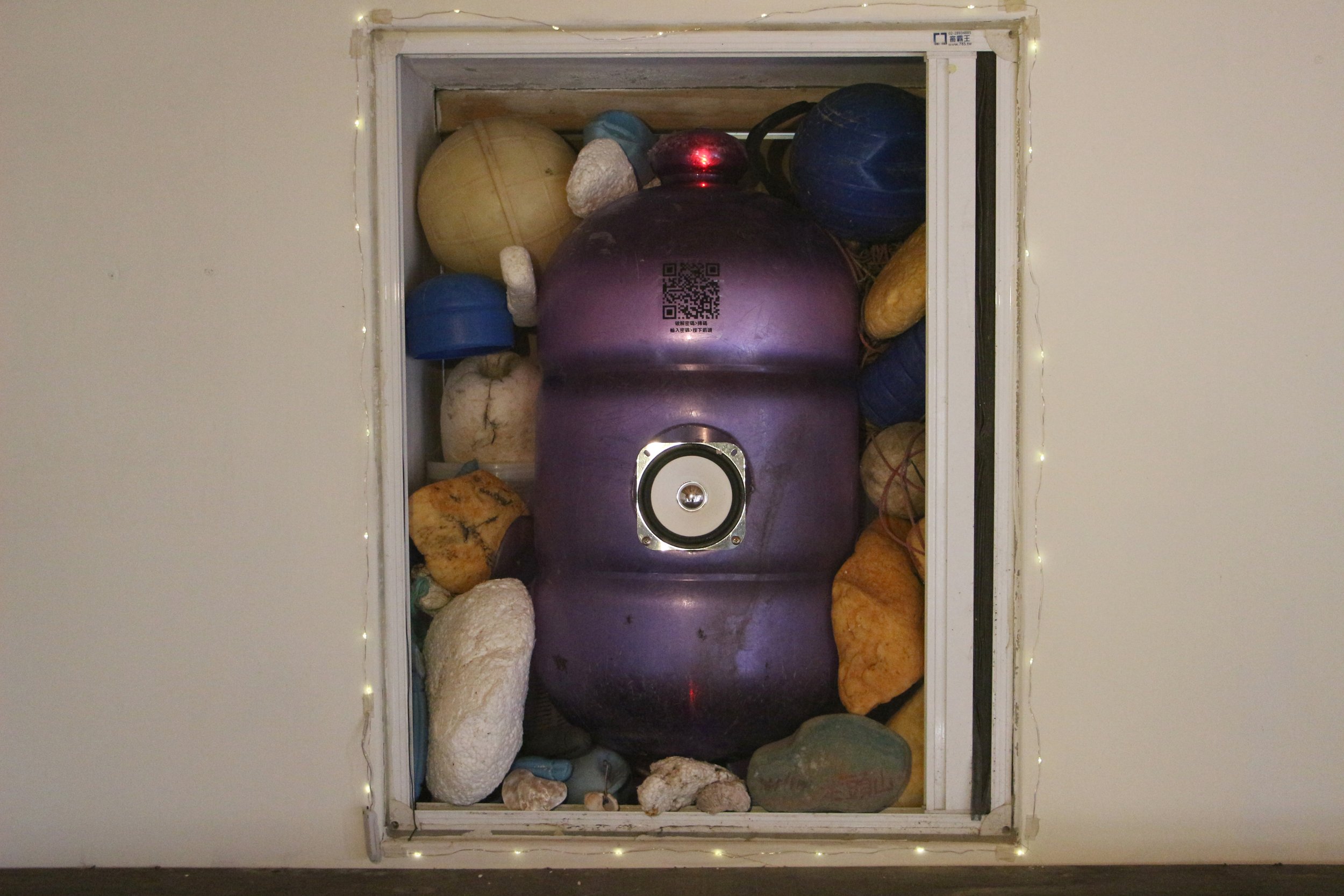
Scan the QR code on the purple buoy to enter the prize redemption page and enter the four-digit code.
If the winning screen appears, show it to the exhibition staff to claim your souvenir gift.
Notes:
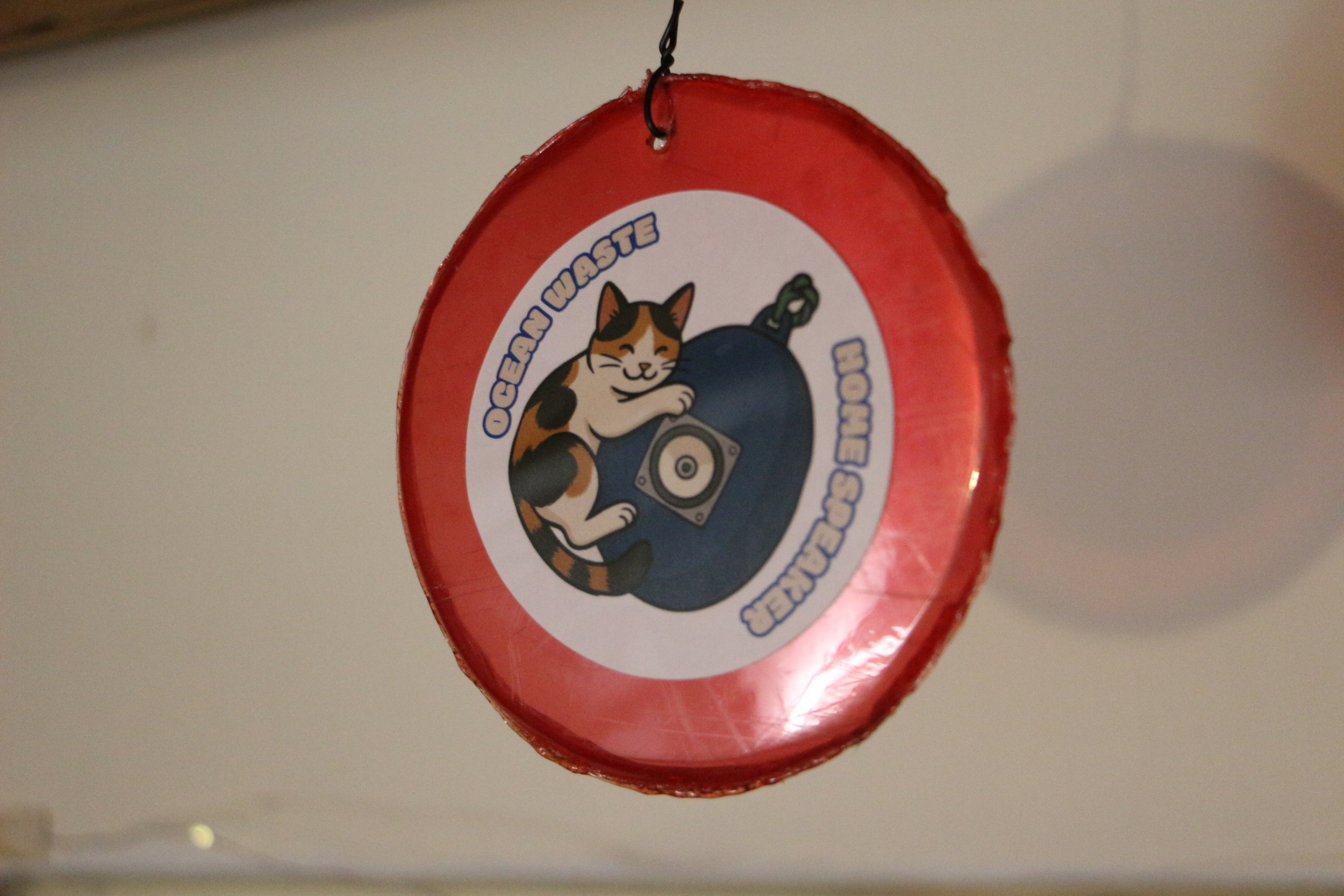
1. Dongju Island is home to many stray cats. The photos and illustrations throughout the exhibition feature local cats as models. Due to their rapid reproduction, neutering and ecological management are ongoing concerns on the island.
Fun fact: the cover model for this exhibition’s souvenir is “MiMi”, a calico cat from the visitor center!
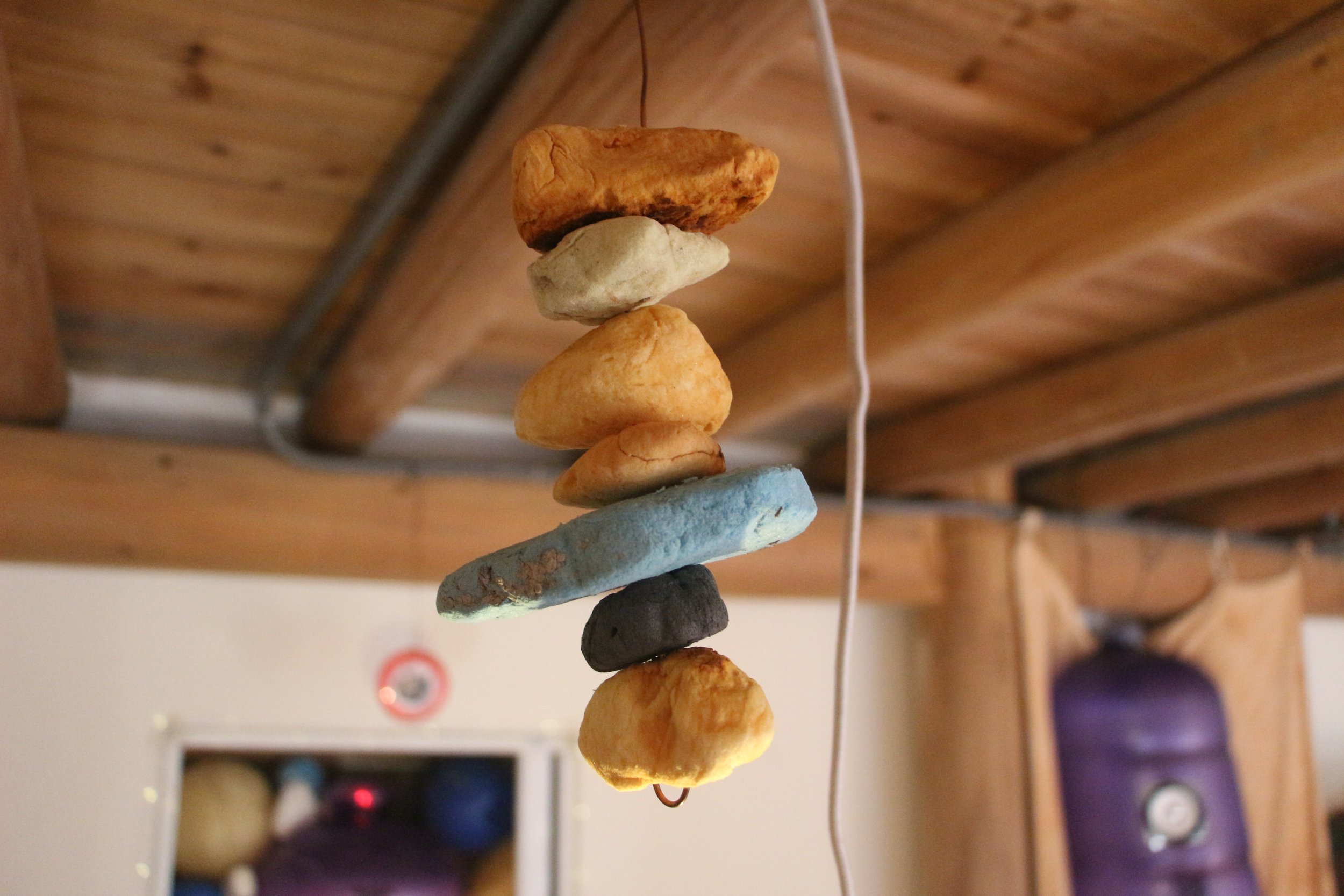
2. The music in this exhibition was created using sound samples collected from marine debris, transforming the “voice” of ocean waste into part of the music.
|參觀步驟說明|
步驟一:
開啟手機藍牙,準備連接音響。
紅色海飄球(雙聲道)音響藍牙名稱:BTS-730
藍色音箱[1]藍牙名稱:BTS-731
藍藍色音箱[2]藍牙名稱:LittleFun
步驟二:
掃描紅色或藍色音箱上的 QR Code,開啟對應的網頁。
步驟三:
選擇音樂風格,點擊圖片進入播放音樂頁面。
請三位參與者協調後選擇相同的音樂風格:
若觀眾一選擇了「relaxing」,觀眾二與三也請選擇「relaxing」
若選擇「cheerful」,其它觀眾與音響也需同步
💡 音樂播放時間儘量個裝置同步播放。
步驟四:
挑戰謎題。
每個音樂播放網頁皆有一題謎題,雖然各音箱題目不同,但音樂「relaxing」和「cheerful」各含有一組兩位數的答案。需要將兩組音樂所提供的答案拼湊起來,最終組成四位數密碼。
步驟五:
兌換紀念獎品!
掃描紫色海飄球音響上的 QR Code,進入兌獎網頁並輸入四位數密碼,按下箭頭後請出示中獎畫面給展場人員,以兌換紀念小禮。
註 1: 東莒島上有許多野貓,因此展場中的照片與圖像皆以當地貓咪為模特兒。由於野貓繁殖速度極快,結紮與生態管理也是島上需關注的重要環境議題。順帶一提,這次紀念獎品的封面模特兒,是遊客中心的三花貓咪咪!
註 2: 展覽中的音樂部分,是使用從海廢中採集的聲響素材(sample)進行創作,將「海廢」的聲音轉化為作品的一部分。